
A Structured Framework: AI-Enabled Knowledge Architecture
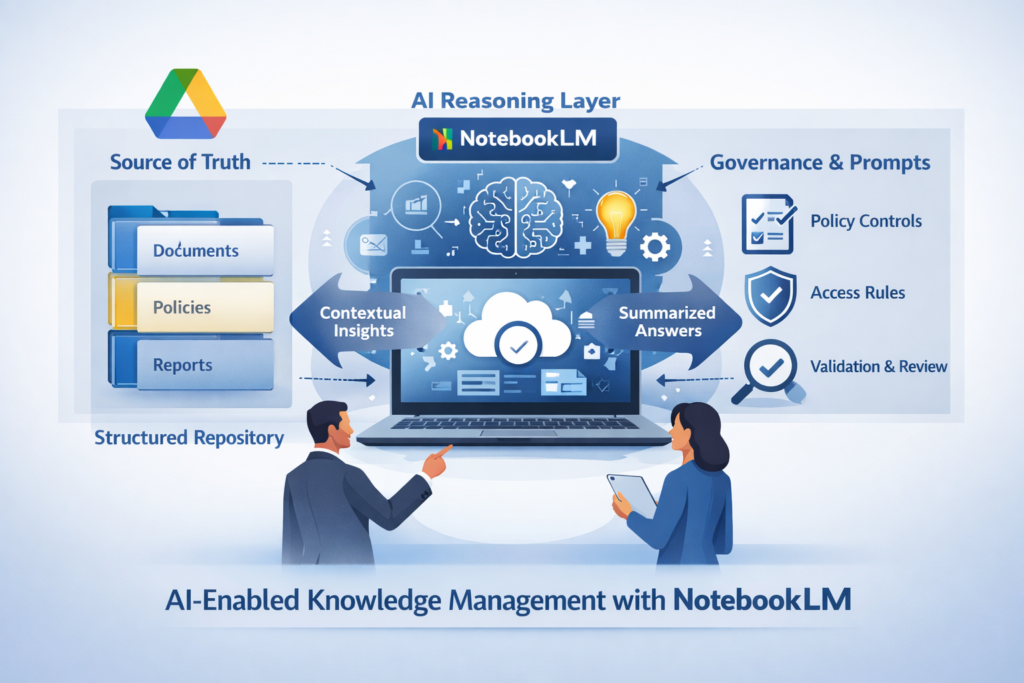
Image: AI generated image based on my prompt
A practical and scalable approach is to think in terms of a three-layer architecture:
- Source of Truth (Structured Repository)
A well-organised knowledge base—typically within platforms like Google Drive—serves as the foundation.
Key considerations:
- Standardised folder structures
- Version control discipline
- Clear ownership and access rights
This ensures that AI operates on reliable inputs.
- AI Reasoning Layer (NotebookLM)
NotebookLM functions as a context-aware intelligence layer over curated documents.
It enables:
- Cross-document synthesis
- Contextual querying
- Rapid summarisation
- Insight generation grounded in source material
Importantly, it reduces hallucination risk by anchoring outputs in uploaded documents.
- Prompt & Governance Layer
This is often overlooked, yet it determines system effectiveness.
It includes:
- Standardised prompts for consistent outputs
- Access-based notebook segmentation
- Defined usage policies
- Validation cycles and review mechanisms
This layer ensures that AI usage remains controlled, reliable, and aligned with organizational intent.
Practical Application: Implementation Approach
A structured rollout can be executed in phased steps:
Phase 1: Knowledge Audit
Identify critical knowledge assets, gaps, and redundancies.
Phase 2: Content Structuring
Organise documents into logical, governed repositories.
Phase 3: NotebookLM Setup
Create domain-specific notebooks aligned to functions (HR, Finance, Operations, etc.).
Phase 4: Prompt Standardisation
Develop reusable prompts for common use cases such as:
- Policy interpretation
- Decision summaries
- Report generation
Phase 5: Training and Adoption
Enable teams to use the system effectively through guided onboarding.
Phase 6: Governance and Metrics
Introduce:
- Periodic validation cycles
- Usage tracking
- Quality benchmarks
This phased approach ensures adoption without disruption.
Business Impact
When implemented thoughtfully, this model delivers measurable outcomes:
- Faster, more confident decision-making
- Reduced duplication of effort
- Preservation of institutional knowledge
- Improved compliance and audit readiness
- Enhanced strategic insight generation
In this sense, knowledge management evolves from a passive repository to an active decision-support system.
What This Means for Leaders and Consultants
The shift is subtle but significant.
Knowledge management is no longer about storing documents.
It is about enabling intelligence within a governed system.
NotebookLM, when used within a structured architecture, supports this shift.
However, without governance, it risks becoming another disconnected tool.
Therefore, the focus must remain on alignment:
- Knowledge ↔ Structure
- AI ↔ Governance
- Insights ↔ Decision-making
Stabilizing Close
AI does not replace organizational knowledge.
It amplifies it—provided the foundation is sound.
A well-designed knowledge architecture ensures that AI supports clarity rather than confusion, and consistency rather than fragmentation.
This raises a practical consideration:
Is your current knowledge environment designed for retrieval—or for reasoning?
If you are exploring how to build a governed, AI-enabled knowledge system using NotebookLM within your organization, a structured diagnostic or pilot approach can be a useful starting point.
.